Wednesday, April 26, 2017

Clearwater FL Periodontist Dr. Todd Britten Shares Technology for better healing of dental implants, regenerative periodontal procedures, bone grafting, and extraction sites

Dr. Todd Britten is happy to announce that we are using Platelet Concentrates (L-PRF, or Leukocyte-Platelet Rich Fibrin) to promote healing in dental procedures.

Concentrated blood has been used in hospitals for a long time to accelerate healing.  Leukocyte Rich Platelet Rich Fibrin (L- PRF) is a by-product of a patient’s own blood that can help healing after dental procedures such as a tooth extraction, as well as promote healing around bone or tissue grafts and dental implants.

L-PRF™ is a 3-D autogenous combination of Platelet Rich Fibrin derived from a patient’s blood.  First, it is determined if patient is a candidate for L-PRF treatment.  If so, blood is then drawn in our office from a patient’s arm. The blood is then immediately placed into a centrifuge to separate the blood into layers.  This thin, compressed layer of platelet rich fibrin is strong, pliable and even suitable for suturing. This natural fibrin network is rich in platelets, growth factors (PDGF, BMP, VEGF) and cytokines derived from the blood platelets and white blood cells called leukocytes. These proteins promote rapid healing, especially during the critical first seven days after they are placed.

Growth factors are triggered and released and clot formation is stimulated by blood platelets, fibrin and growth factors to help heal wounds.  Growth factors stimulate stem cells to produce new host tissue quickly, making L-PRF effective in the healing process.

Advantages of using L-PRF also include lower infection risk after surgical dental procedures by sealing a treatment wound from bacteria after treatment.  Saturation of the surgical area, bone graft material and/or dental implant helps increase tissue formation due to its growth factors such as BMP, VEGF and PDGF, and this, in turn, results in faster gum and bone regeneration. Speedier healing decreases the risk of later infections, complications, and discomfort.  The use of this technology has been shown to lower the chance of dry sockets after extraction, which can be very painful.

L-PRF treatments are often used for greater success for necessary procedures for dental implant placement, including socket bone grafts, sinus lifts, ridge augmentation, correcting peri-implantitis, block bone grafts and extraction sites prior to implant placement.L-PRF technology is used to quicken the healing process and is completely safe. Disease transmission is not a factor since blood is drawn from a patient’s own body.  Most patients report a greater degree of comfort during healing even immediately after their procedure. The amount of blood needed is minimal and can be collected easily.

If you have any questions about treatment with platelet rich fibrin/plasma or would like to find out if you are a candidate and can benefit from this treatment, please contact us at 727-586-2681.

Healing From Within With L-PRF
Only requires a small blood sample – Virtually painless!
100% natural, 100% you -  Biocompatible.
No additives, chemicals, or foreign substances – Lowered risk for complications
Contains your unique healing properties – Promotes Recovery!
Simple procedure – FDA Cleared

Tooth loss and damage to the jaw bone and tissues are often challenging for your dentist during oral surgery or implant placement. Without enough support in the jawbone, dental implants cannot be immediately stabilized and tissue healing can be a long process. The solution to these and other difficult situations is a new Platelet Therapy created from your own blood. Leukocyte –Platelet Rich Fibrin (L-PRF) changes all the rules as it promotes healing and bone growth from within your own body. Unlike other treatments that use artificial components, Platelet Therapy with L-PRF uses only your own blood. With a simple blood draw and an advanced technology protocol, L-PRF is individually made for you – from you. The end results are improved healing response and significantly less recovery time.

L-PRF™ is basically a bioactive “band-aid” that is created from your own blood and then placed in your surgery sites to promote healing. A sample of your blood is collected in a tube, just as it would be for a blood test. The dentist then uses the unique IntraSpin™ System to separate and concentrate certain important cells and active proteins by spinning your own blood in a dedicated centrifuge. After a fast preparation the bioactive clot, created just from your own blood, is now ideal for your procedure.

 After your L-PRF is created, it can be placed directly in/on surgical sites to immediately promote healing. When placed in surgery sites, L-PRF releases your body’s own natural healing proteins, creating a more efficient network for cells to enhance the healing process. Depending on your situation, the doctor may supplement your L-PRF clot with different biomaterials customized for your needs. For patients with significant bone loss, a combination of L-PRF and bone growth material may also be used to promote natural bone regeneration.

The therapy is 100% natural and additive-free. Natural growth factors present in your body are concentrated using L-PRF. Your own concentrated platelets and other key blood cells and their unique healing abilities are simply re-introduced at the site of your surgical procedure. As a result, your own body releases powerful healing proteins, and creates a scaffold for healing.

If you are interested in finding out more about L-PRF, give our office a call and we will be happy to set up an appointment to discuss using L-PRF in your next procedure.

Heal Quicker Using L-PRF, Make An Appointment! www.brittenperio.com


Sunday, April 23, 2017

Clearwater FL Periodontist Dr. Todd Britten Shares Favorite Oral Hygiene Aids

Toothbrush

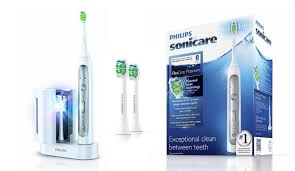
For most patients, a power toothbrush is the best choice. Studies show power toothbrushes are much more effective at cleaning teeth by removing plaque and stain effectively, particularly for those who have a history of tooth decay, gum disease, difficulty brushing or who have limited manual dexterity. Dr. Britten often recommends the Sonicare® Platinum toothbrush, as it is shaped like a traditional toothbrush head, and aids in effective plaque removal and gum stimulation and massage.
If not using a power toothbrush, a soft-bristled brush is best for removing plaque and debris from your teeth and along the gum line. Small-headed soft bristled toothbrushes are also preferred, as they can reach areas way in the back of the mouth.  Dental professionals generally encourage their patients to pick whatever shape and size is most comfortable. The best toothbrush is one that fits your mouth and allows you to reach all teeth easily.
Replace your toothbrush (or power toothbrush head) when it begins to show wear, or every three months, whichever comes first, or after any illness.

Toothpaste

Unless your dentist recommends otherwise, it’s important to use toothpaste that contains fluoride, which helps to strengthen the outer tooth enamel of our teeth. However, if you are allergic to fluoride, you may want to choose a different toothpaste. Be sure to speak to your dentist or physician before making this switch.

Sometimes a higher, or prescription-level dosage of fluoride is necessary for patients with sensitive teeth, exposed roots, or at greater risk for tooth decay.  Dr. Britten often prescribes Clinpro 5000 toothpaste, which contains a therapeutic level of fluoride, in addition to calcium and phosphate, other minerals that help strengthen enamel and the roots of the teeth.

Dr. Britten prefers toothpastes without added harsh chemicals. Some tartar control, whitening, or flavorings burn or irritate the soft tissues of the mouth (inside of lips, cheeks, the tongue, or even the gum tissues). Some toothpastes, especially those with added whitening agents, are abrasive to the enamel and over time can wear it away slowly. Ask your dental professional which products they recommend for whitening or tartar control.

Rinses

Mouthwash and fluoride mouth rinse are two different products. Anti-bacterial mouthwashes (like Listerine) are more effective in controlling plaque than fluoride rinses, and also freshen breath. Fluoride rinses (like ACT brand) coat the teeth with fluoride to strengthen teeth to prevent tooth decay and cavities. They also freshen breath.

Many mouthwashes contain alcohol, so always read the label before giving mouth rinse to a child or someone with a history of substance abuse. Your dental professional may recommend an alcohol-free mouthwash, or to dilute with 1:2 or 2:3 parts’ water.
There are other antimicrobial (Chlorhexidine) or fluoride (Perio-Med) rinses that Dr. Britten recommends available by prescription as needed.

Clean between the teeth at least once per day to remove dental plaque from areas not reached by tooth brushing alone and where tooth decay and gum disease often occur! 
Floss

Flossing is critical for healthy gums. Floss is available in many different sizes, coatings, flavors and forms. If you have trouble using the floss around your fingers, you can purchase floss holders in most drugstores and grocery stores. Dr. Britten recommends a floss with texture, rather than a slippery, waxy floss, which will leave a plaque residue behind.

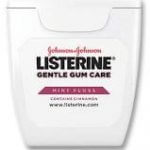
Two of our favorites:  Listerine "Gentle Gum Care" , (formerly Reach brand) woven floss.  The soft cloth material protects your sensitive gums while effectively removing sticky plaque build up. This soft, springy and resilient dental floss removes plaque effectively and is easier on the gum line.


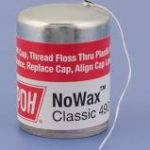
POH No Wax floss has many thin strands of nylon which enable our floss to disrupt and disorganize sticky bacterial plaque, which is the key to preventing tooth decay and gum disease. It won't just slide over plaque. The multiple strands of tiny nylon slip easily between the closest teeth, able to get just under the gum line.


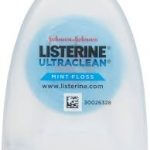
LISTERINE® ULTRACLEAN® Dental Floss has shred-resistant technology to stretch, flex and glide for an ultimate clean. Its MICRO-GROOVES® technology removes 2x more plaque than Glide® Mint Floss.


How to floss:  Place the floss around your index and middle fingers, make a C shape around each tooth and use a push-pull and up and down motion to remove plaque at and below the gum line and between the teeth. Try to be gentle when placing the floss below the gum line.
Children should floss once a day with the assistance of their parents. Many people floss just before bedtime. But if another time is more convenient for you, do it then.

Water Irrigation Devices (such as Sonicare Air Flosser or Waterpik)

Water irrigation devices can remove food from between teeth. Children or teenagers with braces or other orthodontic appliances may find these devices useful to remove food debris and plaque from the teeth and gum line. These devices have shown reductions in bleeding, gingivitis (inflammation of the gums) and plaque accumulation.

Water irrigation devices are most effective when used along with tooth brushing and manual removal of plaque between the teeth with dental floss or other interdental aids and should not ever replace your toothbrush or floss!  Also, proper angulation and power settings will avoid injuring thin gum tissues, which may lead to gum recession.

Interdental Brushes or Picks

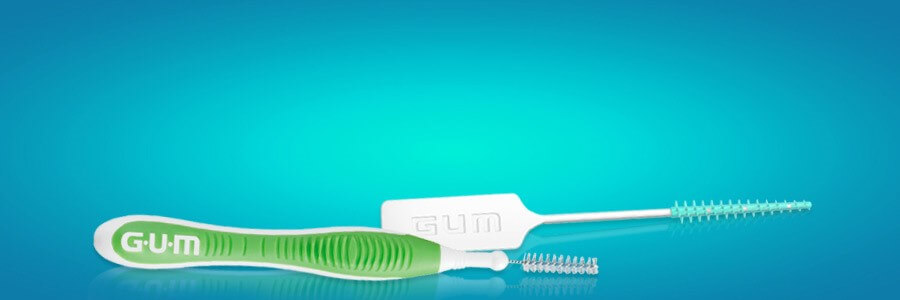
Dr. Britten recommends using plaque between the teeth using interproximal brushes, go-betweens or soft-picks.  These are great tools which remove dental plaque from areas between the teeth most commonly missed by toothbrushing alone. As a popular and effective alternative or addition to dental floss, we recommend GUM® brand Proxabrushes®, Soft-Picks ® or Go-Betweens® are safe and easy to use for cleaning between natural teeth and around crowns, bridges, dental implants and orthodontic appliances. 

Proxabrush (Interdental brushes)

Between-teeth cleaning with interdental brushes such as GUM® Proxabrush Go-Betweens® cleaners is as effective as dental floss in removing plaque but is perceived to be much easier and more convenient.

These products are available on long handles (size of a toothbrush handle) or travel-size making it easy to carry the Go-Betweens® cleaners in your pocket or purse for use outside of the home.  

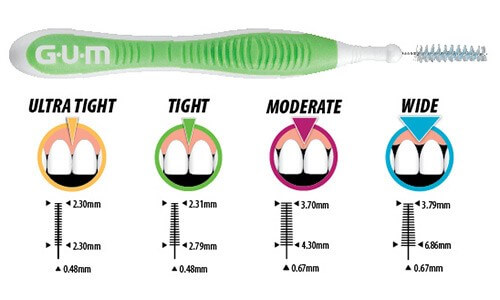
The soft nylon bristles have an antibacterial coating** to help keep the brush clean and hygienic between uses. Different sizes of brush heads are available to fit from the tightest to widest of between teeth spaces. Tight brush heads are designed to clean the tooth and gum surfaces adjacent to the tight spaces. 

In four diameters: Ultra Tight, Tight, Moderate and Wide brush heads. Choose the diameter that easily fits into the spaces between the teeth, under the bridge, or around the wires and brackets of an orthodontic appliance.
HOW TO USE
Use gentle in-and-out motions in the spaces between teeth and implants and around crowns and bridges to remove dental plaque and food particles.
  1. Never force the brush into tight spaces.*** Do not bend or twist wires during use.
  2. Rinse the brush and handle after each use.
***If a space is too tight to accommodate the smallest Ultra Tight brush, consider using string floss of a Soft-Pick in that space.
GUM® Soft-Picks®: For healthy gums and a great-looking smile, GUM® Soft-Picks® are the convenient way to effectively remove food, plaque and massage gums.

Dr. Britten and his hygienists are trained to help you select the appropriate oral hygiene aids for your maximum oral health and plaque removal. For more information regarding other oral hygiene aids that Dr. Britten recommends, visit  http://brittenperio.com/oral-health/oral-hygiene/