Monday, December 4, 2017

Why Wisdom Teeth Can Hurt and Get Infected

How does a wisdom tooth become infected? What can happen? What can be done? Watch the video with sound for answers to these questions.

Dr. Britten normally refers to an oral surgeon for the extraction of wisdom teeth, unless gum surgery is being performed to treat other areas right next to a problematic wisdom tooth.

We work cohesively with the best dentists, prosthodontists, orthodontists, endodontists, oral surgeons, and pedodontists to provide you with the best care possible. We have a team of dentists that focuses on the area that they are trained and most skilled at and work together to provide the best care. The advantages? We strongly believe you will receive a higher quality of care and better end result.
If you have any questions about wisdom teeth or any aspect of dentistry, contact us today! 


www.brittenperio.com
727-586-2681


How Scaling and Root Planing Procedures Can Help You

How scaling and root planing procedures can help treat gum disease

https://youtu.be/6-CKhC1_XTo


The human mouth is filled with bacteria.  These bacteria, along with mucous and other particles form a sticky film called plaque is constantly forming and which adheres to the teeth.  This plaque can be removed by brushing and flossing.  When the plaque is allowed to remain on the teeth, the bacteria involved become more harmful, and more difficult to remove, creating an environment that is more toxic to the tissue.  The plaque itself can harden creating a cement like substance (calculus) that cannot be removed with brushing and flossing alone.

Your gum tissue does not attach directly to your teeth. There is a space or pocket between the gum and the tooth before it attaches. The pocket gets deeper when plaque, tartar and inflammation are present. This leads to inflammation and gum disease. The gums become irritated and begin to separate from the tooth, creating a periodontal pocket.

The bacteria and infection causing the detachment needs to be addressed.

Scaling and Root Planing

Non Surgical Periodontal Therapy includes a very important option known as scaling and root planing or “a deep cleaning”  This is often recommended as the first step in periodontal therapy. Treatment is usually done by one of our hygienists using local anesthesia to provide comfort for the patient as the root surfaces in deep periodontal pockets are debrided to remove calculus or “tartar” and to smooth the root surfaces to remove bacterial toxins. This may take more than one visit with the hygienist and is followed up with a visit with Dr. Britten in four to six weeks to re­evaluate the periodontal tissues.

If you have any questions about gum disease or its treatments, please contact our team or make an appointment. Our incredible staff will give you the best dental care possible.

www.brittenperio.com
727-586-2681

This is Why Braces and Healthy Gums are Important


If you have crooked teeth, you should schedule a visit to your dentist and ask about braces. Your dentist will likely send you to an orthodontist who will explain you in detail all the benefits of the treatment, the risks and the costs involved.

The number one reason people want braces is to have a beautiful smile. But crooked teeth are not only a cosmetic problem. It is also often a health problem.

Misaligned or crooked teeth can cause problems with your bite. Over time, a bad bite can hurt your teeth and gums by causing wear to the enamel, fractured or broken teeth, and contribute to periodontal disease. A bad bite can also  the jaw bone and the TMJ joint. sometimes leading to lots of other medical problems such as headaches or migraines.

In addition, when your teeth are positioned in the correctly in your mouth, this provides the comfort and the ease of being able to clean your teeth properly.

Make sure your gums are as healthy as they can be before orthodontic treament! Your gums are the tissue that help hold your teeth in place. If your gums are not in good shape, the stress of moving your teeth with braces cause him recession, bone loss and also impact tooth stability.

Dr. Todd Britten works cohesively with the orthodontists and general dentists to provide you with the best care possible. This way, you can be seen by a team of dentists that focuses on the area that they are trained and most skilled at and work together to provide the best care.

Please contact us today with any aspect of dentistry that concerns you. Our very knowledgeable staff would be happy to answer your questions! Contact us today 727-586-2681

The 3 Main Parts of a Dental Implant

The 3 Main Parts of a Dental Implant


1. The Fixture

The fixture is the bottom of the implant and is the part that is embedded below the gum line, fusing with the jawbone.  It is like the root of the tooth. The fixture is made of titanium and has a cylindrical, screw-shaped design. It is often coated with a material known as hydroxyapatite, which can assist with the process of fusing the implant to the jaw bone. This part is placed first and appropriate healing has to take place before the restorative phase, which includes placing the abutment and crown.

2. The Abutment

The abutment is screwed into the fixture and will eventually hold the actual tooth portion that you see in your mouth. It is a small piece that lies right around the gum line.

3. Implant crown

The crown is cemented or screwed into the abutment. If the prosthesis is a crown or bridge, or snapped onto the abutment if the prosthesis is a bridge or denture.

Dental implants are designed and constructed to be extremely strong and able to last decades, becoming a permanent solution to replace missing or chipped teeth. 

If you have any questions about Dental Implants, please contact our team or make an appointment. Our incredible staff will give you the best dental care possible. Contact us today: 
727-586-2681 or visit www.brittenperio.com


Tuesday, July 25, 2017

Clearwater FL Periodontist Dr. Todd Britten discusses importance of Periodontal Maintenance


If you've undergone treatment for periodontal (gum) disease, you know how involved it can be, whether your treatment required nonsurgical therapy, surgical therapy or a combination of both.

Following gum surgery or scaling and root planing, a nonsurgical periodontal therapy, plaque and calculus (hardened plaque deposits) are removed and as they heal swollen, red gums finally begin to regain their healthy pink color.

Treatment does not stop there. If it does, there's a high chance of a re-infection of the gums.

Periodontal maintenance (PM) is important for gum disease patients after treatment. Plaque, a thin film of bacteria and food particles responsible gum disease, continue to grow again on your tooth surfaces as it did before. Diligent, daily brushing and flossing to curb that development.

It is also important to keep up regular dental visits for advanced cleaning to remove hard to reach plaque and calculus. For gum disease patients it is usually four but for some advanced gum disease patients, six times a year, especially just after treatment. Many of our patients alternate visits for periodontal maintenance between our office and their general dentist so that their periodontal condition is closely monitored, as well as the health of their teeth.

Our goal is to reduce the chances of re-infection. To do this, we'll thoroughly examine your teeth, gums and any implants for signs of disease (as well as an oral cancer screening). This includes an assessment the health of your teeth and gums and to see how well you're doing with plaque control and review your recommended customized daily oral hygiene instructions.

Overall, we want to prevent the occurrence of any future disease and treat it as soon as possible if it relapses. Keeping up with homemade and a routine periodontal maintenance schedule will help ensure your gums continue to stay healthy.

If you would like more information on periodontal disease, please contact us or schedule an appointment for a consultation 727-586-2681 or visit our website at www.brittenperio.com

Wednesday, June 28, 2017

Clearwater FL Periodontist Dr. Todd Britten Shares: Is it worth investing in a power toothbrush?

Most of our patients can tell the difference in how their teeth and gums feel when they switch to a power toothbrush. Dr. Britten and his team can also typically tell when a patient uses an electric toothbrush versus a manual toothbrush – as there is usually a noticeable difference in the amount of plaque present as well as a patient’s gum tissue tone and color.

Improving oral health will improve overall health, a reason most patients will be happy to make the extra investment for a powerbrush. An electric toothbrush (our favorite professional-grade brands typically run from $150-200) is only a fraction of what it costs to complete most dental procedures. In the end, investing in a good power toothbrush, changing brush heads every 90 days, and using the proper technique will save you money!


Why choose a powerbrush?

Power toothbrushes usually have built in features with an advantage for better oral health.

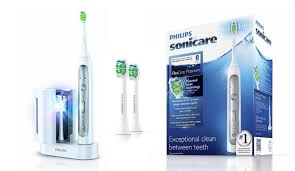
Timer - Many brands feature a timer to ensure patients brush for a full two minutes, and may also have a pressure indicator to pause brushing or to let patients know if they’re brushing too hard and possibly damaging their gums. The Phillips Sonicare, one of our favorites, hesitates every 30 seconds, to help a patient distribute their brushing in all four sections of the mouth.

More effectively disrupts and removes harmful bacteria in the mouth. The sonic vibrating or oscillating of bristles from an electric brush remove sticky plaque bacteria effectively and stimulate the gum tissue, reducing inflammation. Electrics brushes operate at 30,000 strokes per minute while a manual is only 200 strokes.

Simpler technique. With a power toothbrush, all you have to do is move the brush from tooth to tooth, spending a few seconds at a time. The professional line of powerbrushes from Philips Sonicare are definitely our favorite because they can penetrate below the gum line to disrupt the bacterial environment formed by plaque. Other brands, most notably the Oral B have brush heads that oscillate in a half-circle motion to remove biofilm (plaque) from the tooth surface.

Gentle and safe at the gumline. Using a powerbrush with the correct technique will help prevent gum recession, enamel abrasion (wearing away) and tooth sensitivity from improper brushing as well as tooth decay and gum disease. Even with their phenomenal power, power toothbrushes such as the Sonicare are still very gentle on the teeth and gums. If patients have gum recession, they can just place the brush on the tooth without using a scrubbing action, which can traumatize and wear away more thin and delicate gum tissue.

Stain removal. Electric toothbrushes help with stain removal, which is attractive to patients who really want a bright, white smile. Some Sonicare models come with a “whitening” setting or even special polishing brush heads.

Helps those with dexterity issues. Elderly patients or others with dexterity issues can also benefit from electric toothbrushes. Many patients can’t move their hands the way they need to, so if they use a manual brush, they’re likely leaving plaque behind. Powerbrushes help remove plaque from the teeth for them, so as long as they get it close to where it needs to be, it’s going to remove plaque and help prevent problems.

Great for kids. Electric toothbrushes are also great options for children, especially if they have braces!

Less time brushing, with a better result! In two minutes, a power toothbrush will remove plaque and massage and stimulate gum tissue more effectively than the minimum of four minutes you would need to brush with a manual toothbrush.

For more information on the proper technique for healthy teeth and gums using a power toothbrush (and other helpful oral hygiene tips) visit http://brittenperio.com/oral-health/oral-hygiene/

#wednesdaywisdom #wednesdaywellness #clearwaterperiodontist


x

Wednesday, June 7, 2017

Clearwater FL Periodontist Dr. Todd Britten Shares Do I need to premedicate for my dental visit?

What is antibiotic prophylaxis or “premedication” for a dental procedure? How do I know if it applies to me?


Antibiotic prophylaxis, or premedication, refers to giving a patient a loading dose of antibiotics in preparation for a dental surgical procedure, dental hygiene visit or other dental treatment dealing with the teeth or gums. During some dental treatments, bacteria your mouth can enter your bloodstream. In most people, the immune system kills these bacteria. But in some patients, bacteria from the mouth can travel through the bloodstream and cause an infection somewhere else in the body. Antibiotic prophylaxis, or dental premedication may offer these patients extra protection. Patients that normally require antibiotic prophylaxis have fallen under 2 categories: those with joint replacements or certain heart conditions. Some other health issues such as breast implants, brittle diabetics or organ transplant patients may require dental premedication, based on a physician's recommendations.

Up until 2012, antibiotics were recommended for two years after joint replacement surgery or for a lifetime. Since that time, physicians and dentists have become more concerned about the potential harm of antibiotics including risk for anaphylaxis (allergic reaction), antibiotic resistance, and opportunistic infections such as Clostridium difficile (C-diff) were included in creating the new recommendation.

The 2015 American Dental Association stated that "In general, for patients with prosthetic joint implants, prophylactic antibiotics are NOT recommended prior to dental procedures to prevent prosthetic joint infection.” However, many orthopedic surgeons are still recommended premedication with antibiotics for their patients for 2 years or a lifetime.  In patients with a history of complications associated with their joint replacement surgery, prophylactic antibiotics or premedication with antibiotics should be considered after consultation with the patient and orthopedic surgeon.

If you have a joint replacement and are unsure whether you should premedicate for your dental appointments or not, it is best to contact your orthopedic surgeon to determine what is best for you.

In patients with certain heart conditions, dental premedication is recommended to avoid infective endocarditis.  Infective endocarditis (IE), also called bacterial endocarditis (BE), is defined as an inflammation of the endocardial surface of the heart. Endocarditis generally occurs when bacteria or other germs from another part of the body enter and spread through the bloodstream and attach to damaged areas in the heart. If left untreated, endocarditis can damage or destroy the heart valves and can lead to life-threatening complications.

The American Heart Association says that premedication for dental procedures is required for the following conditions:
  • “A prosthetic heart valve or who have had a heart valve repaired with prosthetic material.
  • A history of endocarditis.
  • A heart transplant with abnormal heart valve function.
  • Certain congenital heart defects including:
    • Cyanotic congenital heart disease (birth defects with oxygen levels lower than normal) that has not been fully repaired, including children who have had a surgical shunt and conduits.
    • A congenital heart defect that's been completely repaired with prosthetic material or a device for the first six months after the repair procedure.
    • Repaired congenital heart disease with residual defects, such as persisting leaks or abnormal flow at or adjacent to a prosthetic patch or prosthetic device.”
Patients that have had stents placed in their hearts or a history of coronary artery bypass surgery no longer require to premedicate with antibiotics prior to dental procedures under the American Heart Association’s guidelines. Numerous scientific evidence concluded that the risk of adverse reactions to antibiotics generally outweighs the benefits of prophylaxis for many patients who would have been considered eligible for prophylaxis in previous guidelines. Concern about the development of drug-resistant bacteria also was a factor for the simplified guidelines.
The 2014 American Dental Association & American College of Cardiology guidelines add that optimal oral health is maintained through regular professional dental care and the use of appropriate dental products, such as manual, powered, and ultrasonic toothbrushes; dental floss; and other plaque-removal devices.
Antibiotic dosage and schedule
  • 1 hour before the procedure to allows the antibiotic to reach adequate blood levels. However, if the dosage of antibiotic is inadvertently not administered before the procedure, the dosage may be administered up to 2 hours after the procedure.
  • Patients not allergic to penicillin: oral amoxicillin 2g (50 mg/kg for children)
  • Patients allergic to penicillin or ampicillin: oral cephalexin 2g (50 mg/kg for children) or clindamycin 600 mg (20 mg/kg for children)
If you have questions about whether you need to premedicate for your dental procedures, we will be happy to answer any questions you may have. It is best to carefully consider this matter with both you and your physician or surgeon and we are always happy to communicate with both.  Contact us today 727-586-2681 with any questions.

Monday, May 1, 2017

Clearwater FL Periodontist Dr. Todd Britten discusses Dry Mouth

Dry Mouth


Dry mouth (reduced saliva, also known as xerostomia) is a problems because it creates a:

Higher risk of cavities, because saliva neutralizes and buffers acids in the mouth caused by foods and bacteria, as well as cleanses the teeth

Increased risk of oral infections

Decreased sense of taste and enjoyment of food

Bad breath

Causes of dry mouth

Medications seem to account for a substantial portion of dry mouth cases, especially among the elderly. Over 400 agents in drugs affect salivary levels, with evidence that the risk of xerostomia rises with the number of medications.


o Commonly used medications include those for those for acne, allergies (antihistamines), anxiety, asthma, depression, diarrhea, high blood pressure, incontinence, nausea, obesity, Parkinson's disease. Other contributors are muscle relaxants and sedatives.
o Damage to salivary glands (Due to chemotherapy, radiotherapy, neck surgery)
o Dehydration (may be due to fever, sweating, vomiting, diarrhea, loss of blood)
o Habits, such as consumption of tobacco or methamphetamines ("meth"), breathing with mouth open, snoring.
o Diabetes, anemia, hypertension

Treatment of dry mouth should target its causes. For example, if your dry mouth is caused by medication, then an alternative medication or dosage change may help.
If a medication change or a health condition cannot be addressed to help with dry mouth, you can help promote saliva in the following ways:
• Sipping water or sugarless drinks often and during meals
• Avoiding drinks with caffeine, such as coffee, tea, and some sodas
• Professional recommendation for oral care products that will assist in moisturizing the mouth
• Chew sugarless gum or suck on sugarless hard candy to stimulate saliva flow citrus, cinnamon or mint-flavored candies are good choices
• Avoid tobacco or alcohol, which dry out the mouth
• Minimize spicy or salty foods, which may cause pain in a dry mouth
• Avoid sugar and acidic foods
• Using a humidifier at night

It is important to perform daily and effective removal of plaque, which is the main preventable cause of cavities and gum disease.

We have also found in our practice that a combination of over the counter Biotene products (gels, rinses, sprays, lozenges), a product available via prescription called Neutrasal, and PerioSciences' Anti-Oxidant Gel can also be helpful for our patients suffering from dry mouth. For more information, call us today at 727-586-2681 or visit our website at www.brittenperio.com

Wednesday, April 26, 2017

Clearwater FL Periodontist Dr. Todd Britten Shares Technology for better healing of dental implants, regenerative periodontal procedures, bone grafting, and extraction sites

Dr. Todd Britten is happy to announce that we are using Platelet Concentrates (L-PRF, or Leukocyte-Platelet Rich Fibrin) to promote healing in dental procedures.

Concentrated blood has been used in hospitals for a long time to accelerate healing.  Leukocyte Rich Platelet Rich Fibrin (L- PRF) is a by-product of a patient’s own blood that can help healing after dental procedures such as a tooth extraction, as well as promote healing around bone or tissue grafts and dental implants.

L-PRF™ is a 3-D autogenous combination of Platelet Rich Fibrin derived from a patient’s blood.  First, it is determined if patient is a candidate for L-PRF treatment.  If so, blood is then drawn in our office from a patient’s arm. The blood is then immediately placed into a centrifuge to separate the blood into layers.  This thin, compressed layer of platelet rich fibrin is strong, pliable and even suitable for suturing. This natural fibrin network is rich in platelets, growth factors (PDGF, BMP, VEGF) and cytokines derived from the blood platelets and white blood cells called leukocytes. These proteins promote rapid healing, especially during the critical first seven days after they are placed.

Growth factors are triggered and released and clot formation is stimulated by blood platelets, fibrin and growth factors to help heal wounds.  Growth factors stimulate stem cells to produce new host tissue quickly, making L-PRF effective in the healing process.

Advantages of using L-PRF also include lower infection risk after surgical dental procedures by sealing a treatment wound from bacteria after treatment.  Saturation of the surgical area, bone graft material and/or dental implant helps increase tissue formation due to its growth factors such as BMP, VEGF and PDGF, and this, in turn, results in faster gum and bone regeneration. Speedier healing decreases the risk of later infections, complications, and discomfort.  The use of this technology has been shown to lower the chance of dry sockets after extraction, which can be very painful.

L-PRF treatments are often used for greater success for necessary procedures for dental implant placement, including socket bone grafts, sinus lifts, ridge augmentation, correcting peri-implantitis, block bone grafts and extraction sites prior to implant placement.L-PRF technology is used to quicken the healing process and is completely safe. Disease transmission is not a factor since blood is drawn from a patient’s own body.  Most patients report a greater degree of comfort during healing even immediately after their procedure. The amount of blood needed is minimal and can be collected easily.

If you have any questions about treatment with platelet rich fibrin/plasma or would like to find out if you are a candidate and can benefit from this treatment, please contact us at 727-586-2681.

Healing From Within With L-PRF
Only requires a small blood sample – Virtually painless!
100% natural, 100% you -  Biocompatible.
No additives, chemicals, or foreign substances – Lowered risk for complications
Contains your unique healing properties – Promotes Recovery!
Simple procedure – FDA Cleared

Tooth loss and damage to the jaw bone and tissues are often challenging for your dentist during oral surgery or implant placement. Without enough support in the jawbone, dental implants cannot be immediately stabilized and tissue healing can be a long process. The solution to these and other difficult situations is a new Platelet Therapy created from your own blood. Leukocyte –Platelet Rich Fibrin (L-PRF) changes all the rules as it promotes healing and bone growth from within your own body. Unlike other treatments that use artificial components, Platelet Therapy with L-PRF uses only your own blood. With a simple blood draw and an advanced technology protocol, L-PRF is individually made for you – from you. The end results are improved healing response and significantly less recovery time.

L-PRF™ is basically a bioactive “band-aid” that is created from your own blood and then placed in your surgery sites to promote healing. A sample of your blood is collected in a tube, just as it would be for a blood test. The dentist then uses the unique IntraSpin™ System to separate and concentrate certain important cells and active proteins by spinning your own blood in a dedicated centrifuge. After a fast preparation the bioactive clot, created just from your own blood, is now ideal for your procedure.

 After your L-PRF is created, it can be placed directly in/on surgical sites to immediately promote healing. When placed in surgery sites, L-PRF releases your body’s own natural healing proteins, creating a more efficient network for cells to enhance the healing process. Depending on your situation, the doctor may supplement your L-PRF clot with different biomaterials customized for your needs. For patients with significant bone loss, a combination of L-PRF and bone growth material may also be used to promote natural bone regeneration.

The therapy is 100% natural and additive-free. Natural growth factors present in your body are concentrated using L-PRF. Your own concentrated platelets and other key blood cells and their unique healing abilities are simply re-introduced at the site of your surgical procedure. As a result, your own body releases powerful healing proteins, and creates a scaffold for healing.

If you are interested in finding out more about L-PRF, give our office a call and we will be happy to set up an appointment to discuss using L-PRF in your next procedure.

Heal Quicker Using L-PRF, Make An Appointment! www.brittenperio.com


Sunday, April 23, 2017

Clearwater FL Periodontist Dr. Todd Britten Shares Favorite Oral Hygiene Aids

Toothbrush

For most patients, a power toothbrush is the best choice. Studies show power toothbrushes are much more effective at cleaning teeth by removing plaque and stain effectively, particularly for those who have a history of tooth decay, gum disease, difficulty brushing or who have limited manual dexterity. Dr. Britten often recommends the Sonicare® Platinum toothbrush, as it is shaped like a traditional toothbrush head, and aids in effective plaque removal and gum stimulation and massage.
If not using a power toothbrush, a soft-bristled brush is best for removing plaque and debris from your teeth and along the gum line. Small-headed soft bristled toothbrushes are also preferred, as they can reach areas way in the back of the mouth.  Dental professionals generally encourage their patients to pick whatever shape and size is most comfortable. The best toothbrush is one that fits your mouth and allows you to reach all teeth easily.
Replace your toothbrush (or power toothbrush head) when it begins to show wear, or every three months, whichever comes first, or after any illness.

Toothpaste

Unless your dentist recommends otherwise, it’s important to use toothpaste that contains fluoride, which helps to strengthen the outer tooth enamel of our teeth. However, if you are allergic to fluoride, you may want to choose a different toothpaste. Be sure to speak to your dentist or physician before making this switch.

Sometimes a higher, or prescription-level dosage of fluoride is necessary for patients with sensitive teeth, exposed roots, or at greater risk for tooth decay.  Dr. Britten often prescribes Clinpro 5000 toothpaste, which contains a therapeutic level of fluoride, in addition to calcium and phosphate, other minerals that help strengthen enamel and the roots of the teeth.

Dr. Britten prefers toothpastes without added harsh chemicals. Some tartar control, whitening, or flavorings burn or irritate the soft tissues of the mouth (inside of lips, cheeks, the tongue, or even the gum tissues). Some toothpastes, especially those with added whitening agents, are abrasive to the enamel and over time can wear it away slowly. Ask your dental professional which products they recommend for whitening or tartar control.

Rinses

Mouthwash and fluoride mouth rinse are two different products. Anti-bacterial mouthwashes (like Listerine) are more effective in controlling plaque than fluoride rinses, and also freshen breath. Fluoride rinses (like ACT brand) coat the teeth with fluoride to strengthen teeth to prevent tooth decay and cavities. They also freshen breath.

Many mouthwashes contain alcohol, so always read the label before giving mouth rinse to a child or someone with a history of substance abuse. Your dental professional may recommend an alcohol-free mouthwash, or to dilute with 1:2 or 2:3 parts’ water.
There are other antimicrobial (Chlorhexidine) or fluoride (Perio-Med) rinses that Dr. Britten recommends available by prescription as needed.

Clean between the teeth at least once per day to remove dental plaque from areas not reached by tooth brushing alone and where tooth decay and gum disease often occur! 
Floss

Flossing is critical for healthy gums. Floss is available in many different sizes, coatings, flavors and forms. If you have trouble using the floss around your fingers, you can purchase floss holders in most drugstores and grocery stores. Dr. Britten recommends a floss with texture, rather than a slippery, waxy floss, which will leave a plaque residue behind.

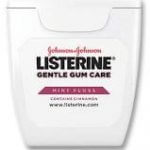
Two of our favorites:  Listerine "Gentle Gum Care" , (formerly Reach brand) woven floss.  The soft cloth material protects your sensitive gums while effectively removing sticky plaque build up. This soft, springy and resilient dental floss removes plaque effectively and is easier on the gum line.


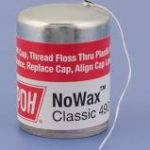
POH No Wax floss has many thin strands of nylon which enable our floss to disrupt and disorganize sticky bacterial plaque, which is the key to preventing tooth decay and gum disease. It won't just slide over plaque. The multiple strands of tiny nylon slip easily between the closest teeth, able to get just under the gum line.


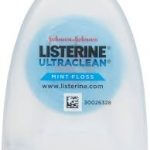
LISTERINE® ULTRACLEAN® Dental Floss has shred-resistant technology to stretch, flex and glide for an ultimate clean. Its MICRO-GROOVES® technology removes 2x more plaque than Glide® Mint Floss.


How to floss:  Place the floss around your index and middle fingers, make a C shape around each tooth and use a push-pull and up and down motion to remove plaque at and below the gum line and between the teeth. Try to be gentle when placing the floss below the gum line.
Children should floss once a day with the assistance of their parents. Many people floss just before bedtime. But if another time is more convenient for you, do it then.

Water Irrigation Devices (such as Sonicare Air Flosser or Waterpik)

Water irrigation devices can remove food from between teeth. Children or teenagers with braces or other orthodontic appliances may find these devices useful to remove food debris and plaque from the teeth and gum line. These devices have shown reductions in bleeding, gingivitis (inflammation of the gums) and plaque accumulation.

Water irrigation devices are most effective when used along with tooth brushing and manual removal of plaque between the teeth with dental floss or other interdental aids and should not ever replace your toothbrush or floss!  Also, proper angulation and power settings will avoid injuring thin gum tissues, which may lead to gum recession.

Interdental Brushes or Picks

Dr. Britten recommends using plaque between the teeth using interproximal brushes, go-betweens or soft-picks.  These are great tools which remove dental plaque from areas between the teeth most commonly missed by toothbrushing alone. As a popular and effective alternative or addition to dental floss, we recommend GUM® brand Proxabrushes®, Soft-Picks ® or Go-Betweens® are safe and easy to use for cleaning between natural teeth and around crowns, bridges, dental implants and orthodontic appliances. 

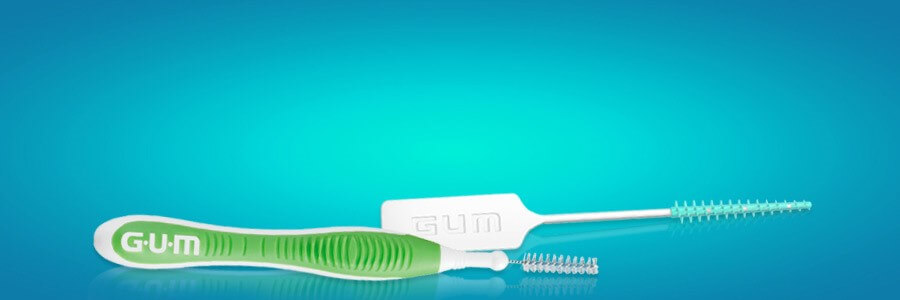
Proxabrush (Interdental brushes)

Between-teeth cleaning with interdental brushes such as GUM® Proxabrush Go-Betweens® cleaners is as effective as dental floss in removing plaque but is perceived to be much easier and more convenient.

These products are available on long handles (size of a toothbrush handle) or travel-size making it easy to carry the Go-Betweens® cleaners in your pocket or purse for use outside of the home.  

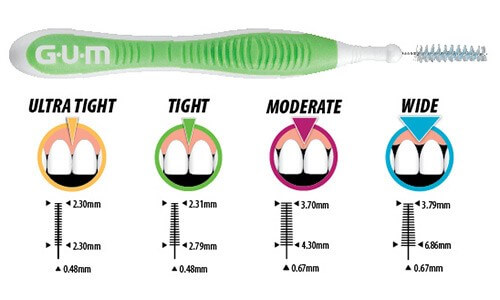
The soft nylon bristles have an antibacterial coating** to help keep the brush clean and hygienic between uses. Different sizes of brush heads are available to fit from the tightest to widest of between teeth spaces. Tight brush heads are designed to clean the tooth and gum surfaces adjacent to the tight spaces. 

In four diameters: Ultra Tight, Tight, Moderate and Wide brush heads. Choose the diameter that easily fits into the spaces between the teeth, under the bridge, or around the wires and brackets of an orthodontic appliance.
HOW TO USE
Use gentle in-and-out motions in the spaces between teeth and implants and around crowns and bridges to remove dental plaque and food particles.
  1. Never force the brush into tight spaces.*** Do not bend or twist wires during use.
  2. Rinse the brush and handle after each use.
***If a space is too tight to accommodate the smallest Ultra Tight brush, consider using string floss of a Soft-Pick in that space.
GUM® Soft-Picks®: For healthy gums and a great-looking smile, GUM® Soft-Picks® are the convenient way to effectively remove food, plaque and massage gums.

Dr. Britten and his hygienists are trained to help you select the appropriate oral hygiene aids for your maximum oral health and plaque removal. For more information regarding other oral hygiene aids that Dr. Britten recommends, visit  http://brittenperio.com/oral-health/oral-hygiene/

Wednesday, March 1, 2017

Tooth Replacement Clearwater, Florida: A Patient's Guide to Implant Health and Periodontal Maintenance


When teeth need to be replaced, dental implants are a wonderful option for many people. Just like natural teeth, however, there is no guarantee a person’s dental implant(s) will last a lifetime.  Although they may look bionic in pictures, a dental implant still needs careful monitoring and regular care. True, they cannot decay like natural teeth – but they are subject to the same complications of gum disease and bone loss.

There are two categories of peri-implant complications: Peri-Implant Mucositis and Peri-Implantitis.
Peri-Implant Mucositis:  This condition is similar to gingivitis around a natural tooth and does not include loss of attachment (bone or gum tissue) and is hopefully reversible at this stage.  Peri-Implant Mucositis is a reversible inflammatory reaction in the soft tissues surrounding a functioning implant.  Treating this condition as soon as possible will prevent peri-implantitis! 
Peri-Implantitis:  This is a condition similar to periodontitis with loss of supporting structures (gum and/or bone) around a natural tooth.  Peri-Implantitis is a destructive inflammatory reaction affecting the soft (gingiva) and hard (bone).

Checking for implant health

Upon routine examination, your periodontist, dentist or dental hygienist will evaluate your implant for plaque or tartar build up around the implant, as well as gum tissue color, texture and type of gum tissue supporting the implant (attached to bone or unattached).
Next, probing measurements will be taken around the implant.  Your dentist or hygienist may use light pressure and a plastic probe.  The tissues surrounding dental implants have a weaker attachment, bleed easier, and may be a bit more sensitive to probing.  Heavy bleeding, pus, and increased probing measurements will require attention. 

They will check both the implant body and its restorative parts, such as the implant abutment or crown for ay loose parts. If the restorative parts are loose they can likely be repaired by your restorative dentist or implant specialist.  If the implant body itself is mobile, it’s an immediate failure and will require removal.   Your dentist will also check your bite to make sure that the implant is not being hit with excessive pressure, as this could cause the bone surrounding the implant to weaken and the implant body to become loose. 

Radiographs, or x-rays, should be taken at different times during the surgical and restorative phase of implant placement. Routine, annual “checkup” x-rays should be taken of the implant to compare to the original ones taken to carefully evaluate bone levels.

The dental hygiene visit includes removal of all soft and hard deposits on the implants, just as on the teeth themselves. Often, the hygienist will use instruments designated for implant care.  
Your dental professional will then discuss the best daily oral hygiene care plan for your mouth and your dental implant(s). Listen closely to their oral hygiene instructions and customized daily oral hygiene strategies.  Just like with natural teeth, biofilm or plaque must be removed skillfully every day because it can cause both infection and inflammation around a dental implant. 

Studies show rinsing with Listerine (diluted with water if strong alcohol content is an issue) has its benefits because of its great antibacterial properties.  Other great oral hygiene aids for implant care include a power toothbrush (love Sonicare by Phillips), Proxysoft Bridge and Implant Floss (www.proxysoft.com), double-bend end tufted brush for lingual of lower hybrids (Tepe brand). A Waterpik may also be used, but with careful instruction from your dental professional. 

Your dentist may determine a maintenance schedule that is appropriate for you.  It is very common for patients with implants to be seen every 3 to 4 months for those with less-than-ideal oral health, advancing age, or systemic conditions.

When complications arise

Peri-Implant mucositis can be treated with non-surgical therapy and daily disease control (effective oral hygiene).  This condition should be carefully reevaluated and reassessed.  If the issue cannot be resolved in six months, it is advisable to see an implant specialist. 
If Peri-Implantitis is diagnosed, non-surgical therapy is typically ineffective.  At this stage, it is adviseable to see an implant specialist to see if there is a restorative issue that can be addressed, or if surgical (traditional or laser LAPIP therapy) or implant removal is needed.
Regular dental hygiene care and examination is just as important to dental implant health as it is to natural teeth.  If you have any questions regarding the health of your dental implant, contact us today at 727-586-2681 or visit our website at www.brittenperio.com.

Britten Periodontics & Implant Dentistry is a periodontal practice offering patients personalized dental care in implant dentistry in Clearwater, Florida. Dr. Todd Britten received his Bachelor of Science & Doctorate of Dental Surgery from University of Florida, a Master’s Degree and Certificate in Periodontology and Implant Dentistry; and completed extensive training at the Institute of Advanced Laser Dentistry. He is one of the only board-certified periodontists in Pinellas County. He is a member of the American Academy of Periodontology, American Dental Association, Florida Association of Periodontists, Upper Pinellas County Dental Association, Hillsborough County Dental Association, Hillsborough County Dental Research Association and Florida West Coast Dental Association.